Driving in New Zealand in December can be hard on brakes. You might head away for a beach break, sit in holiday traffic around Auckland, or tow a trailer over hills to see family. In all those moments, you rely on smooth, predictable stopping. If you want to extend the lifespan of your brake pads, it helps to understand why they wear, how our roads speed up that wear, and what choices keep them working longer without sacrificing safety.
We talk with drivers who feel frustrated when pads wear sooner than expected. Some commute through stop-start city streets. Others live in rural areas and descend long grades every day. Many just want to avoid extra costs, but still feel confident behind the wheel. This guide covers the real causes of wear, simple habit changes, and how pad quality affects longevity.
Why Do Brake Pads Wear Out?
Brake pads are meant to wear out over time. Every time you press the brake pedal, the pad pushes against the spinning rotor. This friction creates heat, and small amounts of pad material stick to the rotor as you slow down. Eventually, the pad gets so thin that it’s no longer safe to use.
New Zealand’s roads bring extra challenges. We have short, steep hills, long rural descents, and winding roads that require frequent braking. City driving has its own problems, too. For example, on a rainy weekday on the Northern Motorway, traffic often stops and starts. Even if you drive smoothly, this pattern creates a lot of heat in your brakes. Heat is the main reason pads wear out faster, as it breaks down the material that holds them together.
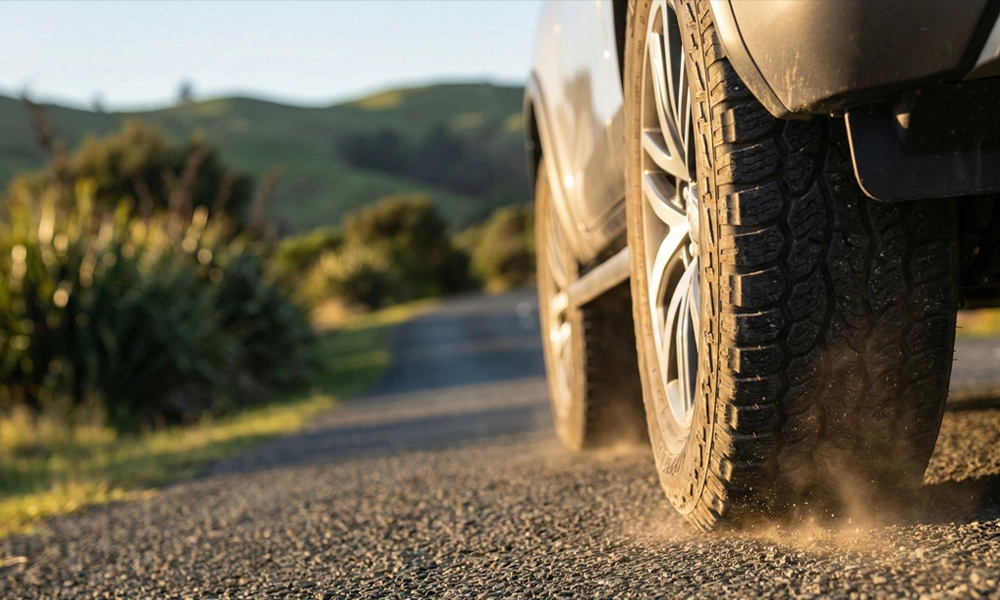
When brake pads get hot, several things happen. The pad’s surface softens, so it wears out faster. The rotor also heats up and can become glazed, which means it loses grip. This makes you press the brakes harder, causing even more heat. That’s why pads can wear out quickly on long downhill drives if you keep your foot on the brake instead of using the engine to slow down.
Heat also affects the hardware around the pad. Calliper slides can dry out, seals can age, and brake fluid can absorb moisture, all of which can reduce performance. While the pad is the wearable part, the whole system decides how long it lasts.
Four driving habits to extend brake life
Driving habits are not the only factor, but they are the part you control daily. The goal is not to drive slowly. It is to brake with more planning and less force, so you reduce heat spikes and pad strain. These habits help most drivers increase the lifespan of their brake pads in real-world NZ use.
1. Anticipate Traffic
Most brake pad wear occurs from late, hard braking. For example, in city traffic, drivers often speed up to close a gap and then brake hard soon after. Instead, try easing off the accelerator early when you see a red light or slowing traffic. Let your car slow down naturally. You’ll still stop where you need to, but with less heat and less wear on your pads.
A good example is picking up kids from school. If you drive into the line, stop, move forward a little, and stop again, your pads heat up quickly. But if you roll forward gently and leave more space, you use your brakes less, and each stop is easier on your pads.
2. Use Engine Braking on Steep Descents
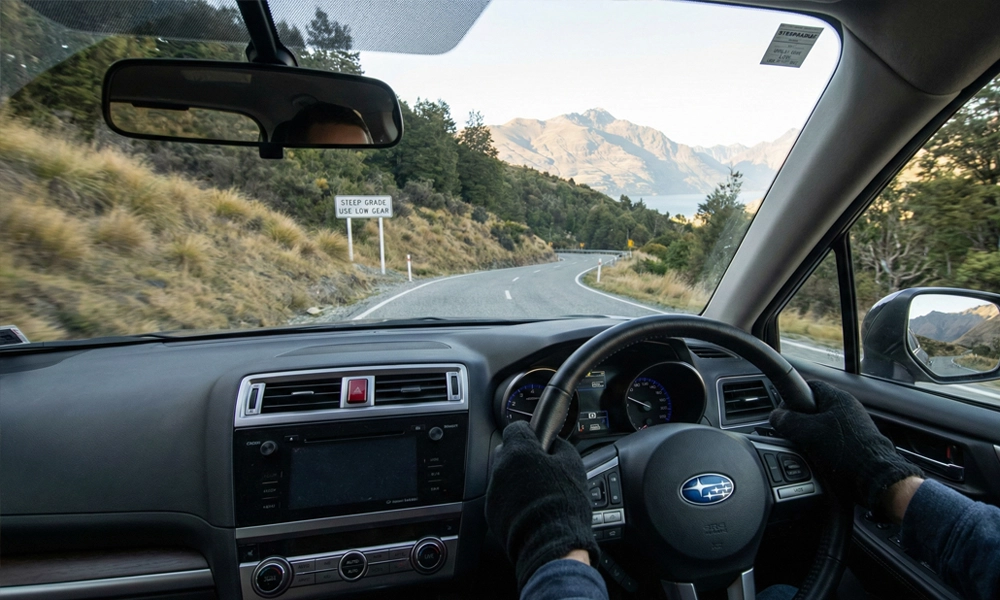
On long hills, your gearbox is your friend. Shift down a gear so the engine holds speed. You will still need the brakes, but they will work in short bursts rather than in a constant drag. That simple change keeps pads cooler and prevents glazing.
Many drivers notice this on routes like the Kaimai Range or the road into Queenstown. If you ride the pedal all the way down, the brakes smell hot at the bottom. If you use the engine, you arrive with cool brakes and stronger stopping if something unexpected happens.
3. Maintain a Safe Following Distance
Following too closely means you have to react quickly and brake every time the car in front slows down. If you leave more space, you can slow down gently and brake less. This not only saves your brake pads but also makes driving less stressful.
4. Reduce Unnecessary Vehicle Weight
Weight changes break the braking demand. Carrying tools you do not need, leaving roof racks on all year, or towing loads beyond what you typically use puts more wear and tear on the pads. Even a small weight drop can reduce heat on long trips. On a family holiday run, that might mean packing smarter so the boot is not overloaded.
Those four habits cost nothing. They also make driving calmer. Still, habits only go so far. The pads you choose matter just as much.
Choosing the right components for longevity
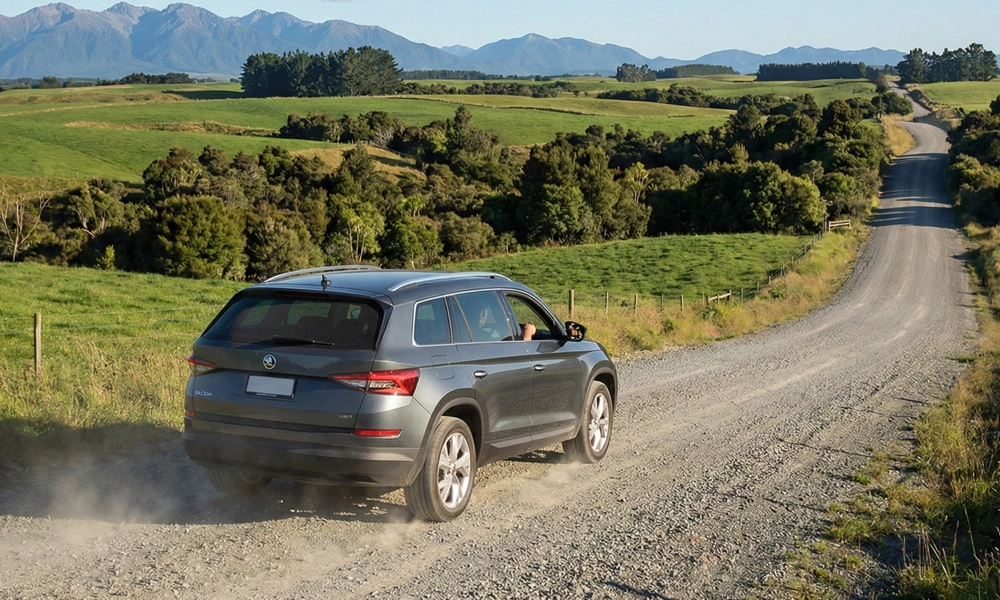
We often hear drivers say, “I drive carefully, so why do my pads still wear fast?” A big part of that answer is material choice and build quality. Not all pads handle heat and NZ conditions the same way. If you aim to increase the lifespan of your brake pads, you need a pad compound that suits your driving pattern.
Understanding Compounds: Ceramic vs Semi-Metallic
Most modern brake pads fall into two broad groups: ceramic and semi-metallic. Each has strengths.
Ceramic pads use ceramic fibres and fine copper or similar fillers. They tend to run quieter, produce less visible dust, and wear more slowly in typical commuting. Many tests show that ceramic pads can last longer under everyday driving because they handle repeated light braking without degrading quickly.
Semi-metallic pads use metal fibres such as steel or copper mixed into a resin base. They often have a stronger bite when cold and handle high heat well. That suits heavy vehicles, towing, or repeated hard stops. The trade-off is that they may wear faster in slow city use, and can be noisier or dustier.
There isn’t one best option for everyone. For example, a courier van in city traffic might get the most extended life from ceramic pads, while a ute towing a boat over hills might do better with semi-metallic pads that handle heat well.
Why quality matters: Brembo brakes NZ
Your driving style and the type of pad you choose both matter, but quality is the foundation. Cheap pads can wear out quickly, even if you drive well, because their materials aren’t consistent or strong. They can also leave uneven deposits on the rotor, causing vibration and extra heat, which accelerates wear.
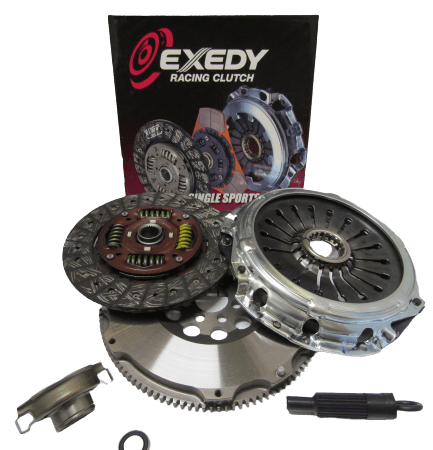
Exedy New Zealand supplies pads from established brands such as Brembo and Icer. Brembo pads have a long global track record and are designed for consistent performance and reliability across a range of driving conditions. Icer pads are a well-regarded European alternative with decades of development in friction materials behind them.
Choosing a proven pad does not mean you chase racing parts for a family car. It means you pick a pad that keeps its friction level stable over thousands of stops, reducing heat swings and helping it last longer. This is one of the quiet ways quality supports you every day.
Maintenance standards and replacement rules
Good pads still need care. Most drivers do not look at their brakes until they squeal. By then, wear may be advanced. A little attention throughout the year keeps wear predictable and avoids damage to rotors and callipers. This is the thinking behind increase the lifespan of your brake pads as a goal, not just a slogan.
Early on, you might ask yourself, ” How to maintain a brake pad? Start with regular visual checks. If you can see the pads through the wheel spokes, look for even thickness between the left and right sides. Uneven wear can suggest a sticking calliper or slide pin. If you are unsure, your workshop can measure thickness during a service.
Another common question is, what is the rule of thumb when replacing brake pads? Most mechanics treat 3 mm of friction material as the point to replace, because the stopping margin drops quickly below that level. Pads near this point can still stop the car, but they heat faster and risk damaging the rotor.
The Importance of Bedding in New Pads
Whenever pads are replaced, they need a bedding-in period. This is a series of moderate stops that lets the pad material transfer evenly to the rotor. If you skip this and go straight to hard braking, the pad surface can glaze, reducing grip and shortening its life.
Your mechanic will usually start the bedding-in process, but you can help by avoiding hard braking for the first few hundred kilometres unless it’s necessary for safety.
Brake Fluid Flushes and Calliper Health
Brake fluid absorbs moisture over time. Moisture lowers the boiling point, which can cause a softer pedal feel on long descents. It also encourages corrosion in callipers. A fluid flush on schedule keeps the system working cleanly. It does not directly save pad material, but it prevents calliper drag, a hidden cause of rapid pad loss.
Calliper slides need to move smoothly. If one side sticks, a pad on that wheel can wear out twice as fast as the other. That’s why it’s essential to have your brakes checked during regular servicing, even if the pads still look thick.
When Do We Have a Brake Pad Replacement?
Many drivers only notice a problem when a noise starts. Yet there are earlier signs. This short list keeps things practical and helps you act before wear turns into rotor damage.
- Squealing or scraping noises
A light squeal can be a wear indicator. A harsh scrape can mean the pad is worn through to the backing plate. - Longer stopping distances
If your car feels like it needs more pedal pressure than before, the pads may be near the end of their life or glazed. - Vibration when braking
This can come from uneven pad deposits on the rotor, which may happen when pads are worn thin or overheated. - Warning lights on newer cars
Many modern vehicles have pad sensors that trigger a dashboard warning when the thickness drops.
If you notice these, plan to replace the brake pad soon. Waiting too long can damage rotors, increasing costs and reducing safety.
A fair question people ask us is, how can I extend the life of my brake pads? The honest answer is a blend of habits, the right compound for your use, and regular checks. No single fix works alone.
Common Questions About Increasing Brake Pad Life
How do you extend the life of your brakes?
Think about slowing down earlier, using the engine on hills, and keeping a bigger buffer in traffic. Then choose pads that suit your vehicle and driving style. Quality pads reduce heat stress and wear more evenly, which supports longer life.
What is the 30 30 30 rule for brakes?
Some people use “30/30/30” as a shortcut for smoother driving, but in brake care, it usually means a bedding-in routine for new pads. Bedding-in helps the pad surface mate evenly to the rotor, which improves bite and keeps wear steady.
A standard method is 30 moderate stops from about 30 km/h, with roughly 30 seconds of easy driving between each stop to let the brakes cool. Avoid hard panic stops during this process. Done well, it lowers the risk of glazing and uneven pad deposits, which supports longer pad life.
Why am I going through brake pads so fast?
Rapid wear usually comes from a mix of factors. Heavy city commuting, towing, steep terrain, and late braking all add heat. Sticking callipers, old fluid, or low-grade pads can make things worse. A workshop check can pinpoint the leading cause.
Make Brake Pad Life Part of Your Safety Plan
Brakes sit in the background until something feels off, yet they protect you every time traffic changes or the road drops away in front of you. If you want to increase the lifespan of your brake pads, start with the habits that reduce heat. Anticipate stops, use the engine on descents, keep space, and avoid carrying unnecessary weight. These simple moves make daily driving easier and reduce wear and tear.
Next, think about the type of brake pads you’re using. Choosing the right compound from a trusted brand keeps your brakes working well and helps them last. Regular checks and timely pad replacements help you avoid problems. When you do all these things, your brakes feel reliable, your costs are steady, and you can drive confidently on any New Zealand road.