When people think about car upgrades, they often picture tyres, lights, or suspension. Yet brake pads handle every stop, from school runs to motorway trips. Many drivers notice pads only when a squeal starts, the pedal feels soft, or the wheels darken. These signs mean the pads no longer suit the way someone drives, the roads they use, or the loads they carry, so it makes sense to ask how to choose the best brake pads for my car in NZ.
Choosing the right brake pads affects comfort, safety, and confidence. Quiet compounds help drivers who want smooth stops, keep wheels cleaner, and answer searches for the best brake pads for clean wheels in NZ. Strong-bite pads suit towing, hilly routes, or steep driveways. This guide explains the differences in plain terms and shows how Exedy NZ and Brembo can match pad type to daily habits.
Start With Priorities: Quiet, Clean, or Bite
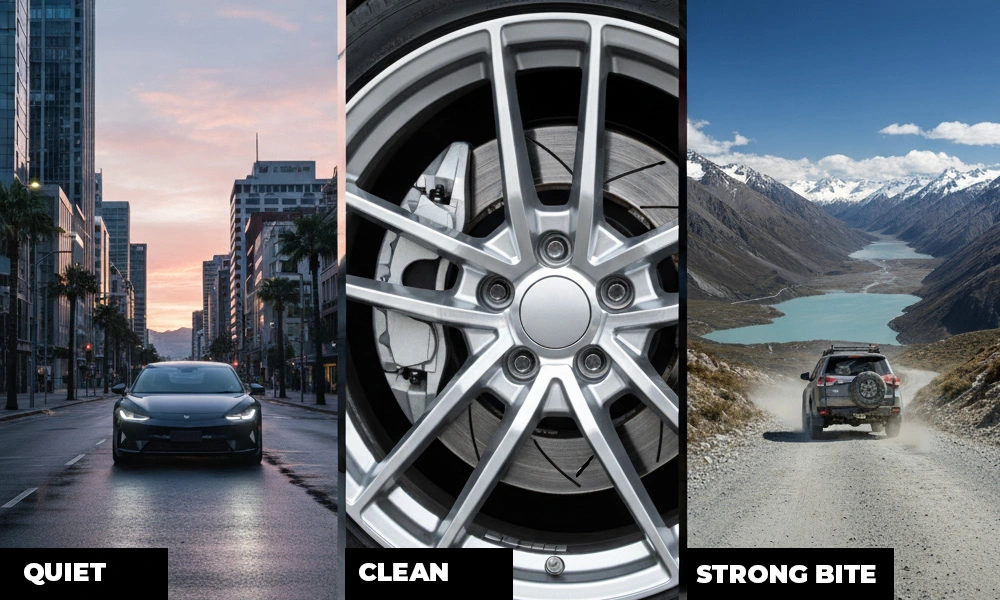
People arrive at a parts counter with different stories, but the pattern repeats. Someone says the car squeals when easing into a supermarket park. Another is tired of the dark dust on the wheels after just a week. Another feels the stopping power drops when towing a small trailer down a long descent. These experiences matter because each driver has a single priority that should guide the choice of pads.
Most drivers can sort their needs into three clear goals:
- Quiet comfort. These best brake pads are designed for smooth, low-speed stops. City commuters and parents with sleeping children in the back often prioritize calm over everything else.
- Cleaner wheels. Pads shed lighter grime, so alloys stay brighter and weekend cleaning stays simple.
- Strong initial bite. For drivers who face hills, heavy loads, or towing, brake pads with a firmer response maintain steady braking under heat.
Once that main goal is clear, the rest of the decision feels far less stressful.
Pad Materials Made Simple: Ceramic Versus Low Metallic
Pad material shapes how the best brake pads behave under pressure. Ceramic compounds suit daily town driving. They feel smooth at the pedal and produce lighter visible dust. Anyone who brakes gently in traffic, rolls through school zones, or navigates tight car parks will notice how calm they feel.
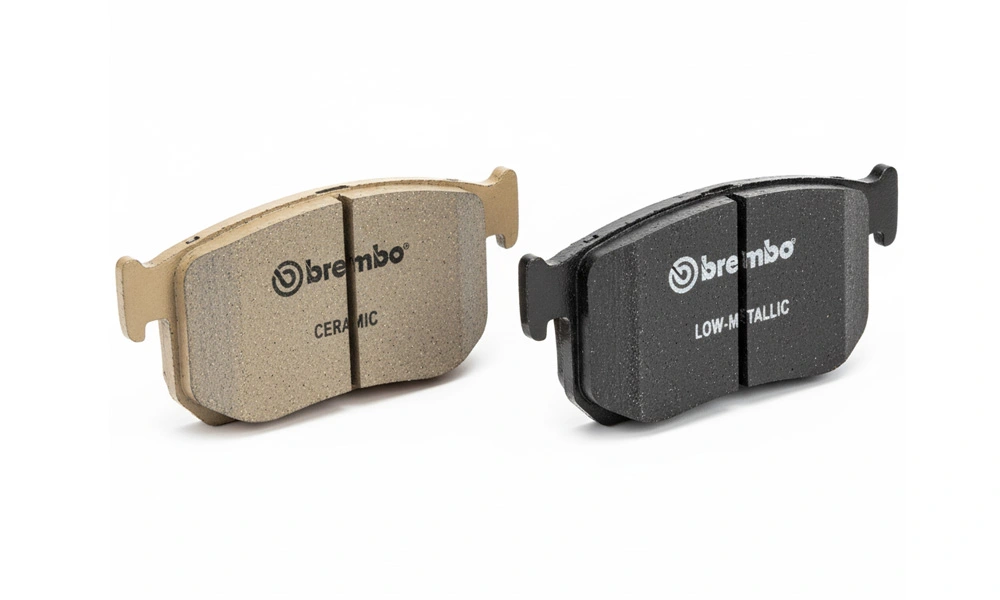
Low metallic compounds lean the other way. They include more metal fibres, so they bite harder from the first press and handle heat well on hills. Drivers living on routes with long descents, or anyone carrying tools and gear most days, often prefer low-metallic brake pads because they help maintain confidence. Both material types meet modern safety standards. The choice comes down to how and where the vehicle is used.
Noise Control Without Guesswork, Shims and Chamfers
Brake noise can make even confident drivers feel uneasy. A squeal may echo against shop walls at low speeds or appear on the first cold stop of the day. Many assume the pads are faulty, but noise usually comes from vibration and fitment.
Quality pads use multi-layer shims behind each pad to absorb vibration and chamfers on the pad edges to ease initial contact with the rotor. A fitter who cleans the calliper, replaces worn clips, and seats hardware correctly can transform how pads feel and sound. For anyone searching “how to stop car brakes squealing nz shims”, the plain answer is that shims work only when the hardware is seated and lubricated correctly.
Cleaner Wheels Without Harsh Habits
Dust is normal, but some compounds release far more than others. Ceramic brake pads tend to shed finer, paler dust that blends into ordinary road grime instead of staining wheels dark grey. For commuters, that means a gentle wash is enough, not a heavy scrub. For families with light coloured SUVs, it means a driveway that stays tidy.
Low dust does not mean low safety. Good ceramic pads still stop strongly in everyday conditions. They simply prioritise comfort and cleanliness over aggressive biting. Exedy NZ’s Brembo ceramic lines are a common pick for this style of driving.
Strong Bite for Load, Hills, and Heat
There are routes in New Zealand where stronger braking is not a luxury. A vehicle towing a boat through the Coromandel or descending into Queenstown in winter needs pads that stay consistent after repeated stops. Low-metallic pads provide a firmer bite and resist fading as temperatures rise.
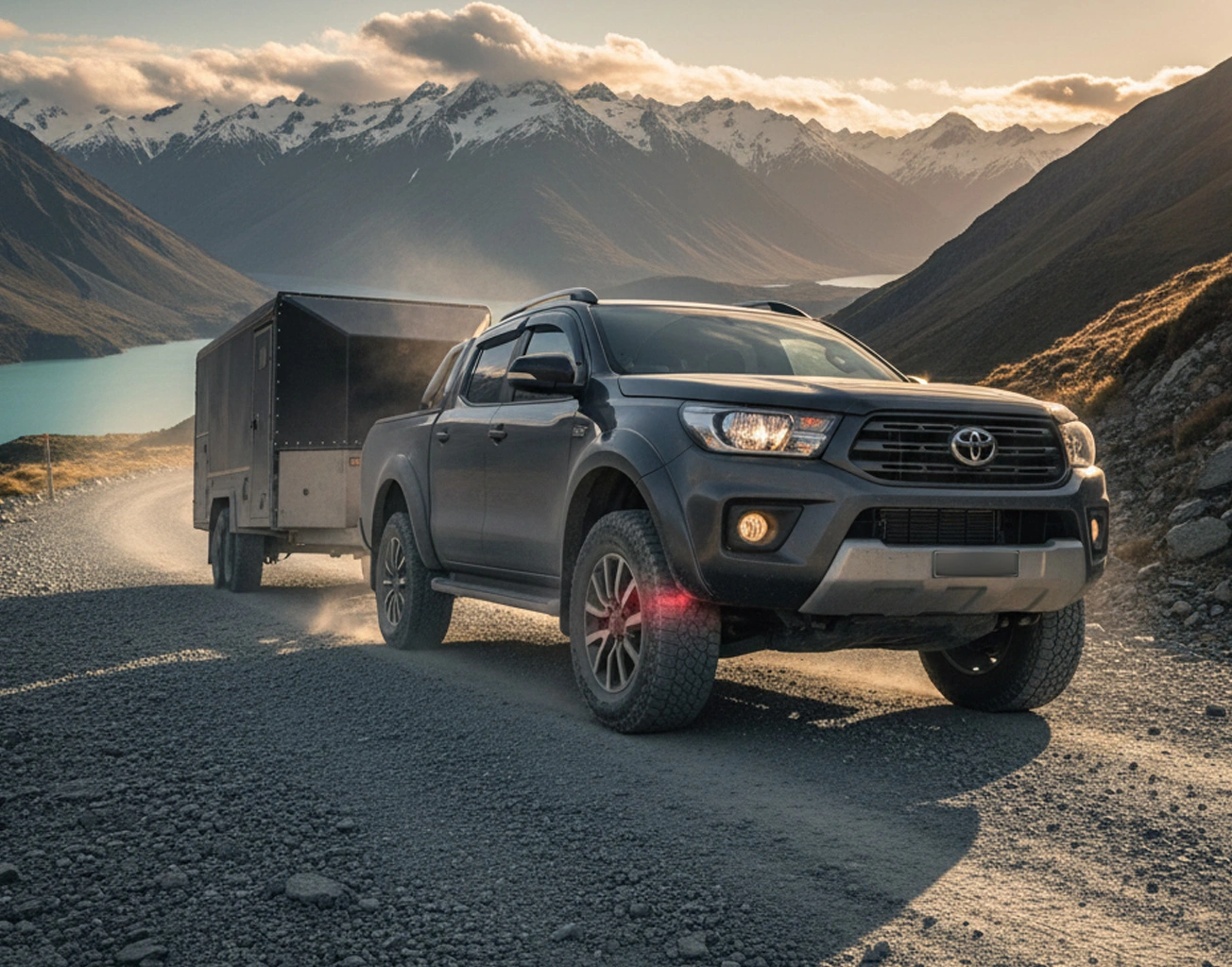
For anyone who has searched for “brake pads with stronger bite for towing NZ”, this is usually the compound family they want. The trade-off is that these pads work rotors harder, so discs need to be healthy. If rotors are grooved or thin, even the best brake pads cannot deliver the feel a driver expects.
Front and Rear Balance for Stable Stops
Most cars brake more on the front axle, which is why front pads wear out sooner. Still, a stable stop depends on balance. If a driver fits high bite pads on the front but leaves old, softer pads on the rear, the car can feel unsettled during a firm stop on wet roads.
Good practice is to replace pads as axle matched sets and to choose compounds that keep braking bias predictable. Fitters may recommend a different compound for the rear brakes on some vehicles, but only if it maintains overall stability. Getting that balance right protects comfort and safety.
Disc Health and Bedding for a Smooth Feel
Even the best brake pads need proper bedding. Many people are surprised to learn that new pads and new discs need time to form a thin transfer layer. This layer makes the braking surface smooth, stable, and quiet.
The bedding process is simple. It involves a short series of gentle stops that gradually warm the components. When drivers skip this step or brake very hard immediately after installation, the pads and discs may develop uneven patches. This can cause vibration, noise, or a softer pedal feel.
Installers who work with quality pads will explain how to complete this process. A few minutes of care during the first drive protects comfort for many thousands of kilometres ahead.
Match Pads to Routes, City, Motorway, or Alpine
Route truth beats brand habit. City driving involves constant low-speed stops, so quiet pads with mild bite and low dust are easier on daily life. Motorway driving includes fewer stops but higher speeds, so pads must hold steady friction when slowing quickly.
Alpine and rural routes add heat and repetition. Long descents warm up the system, and sudden corners demand a predictable pedal. Low-metallic pads are designed for that environment, even on smaller cars.
Fitment Details That Protect Comfort and Bite
Compound choice is half the story. Installation decides the rest. A careful fitter will clean hub faces, check slider pins, torque bolts correctly, and confirm pad direction arrows. They will inspect the calliper pistons and dust boots to ensure the system retracts and releases cleanly. When those steps are correct, the pedal feel settles quickly, and the best brake pads can do their job as intended.
Drivers who have lived through a rushed brake job know the downside. Noise that returns after a week, or a vibration at speed, often comes from old hardware, dirty mounts, or uneven rotors. Paying for correct fitment is frequently cheaper than paying twice.
ICER Brake Pads: A Practical Mid-Range Option
Exedy NZ stocks ICER brake pads alongside Brembo the best brake pads. ICER is a European manufacturer known for copper-free compounds and dependable everyday stopping. The line is designed for normal road use but still meets strict European safety standards and includes matching rotors. Exedy’s catalogue shows ICER pads covering about 90 per cent of vehicles in New Zealand, which helps drivers find a correct fit even for less common models.
Choosing ICER’s brake pads suits drivers who want solid, everyday performance without paying for track-focused features they will never use. It is also handy when a vehicle needs a fast replacement and a clean, predictable feel.
Choose With Exedy NZ, Brembo Range, and Support
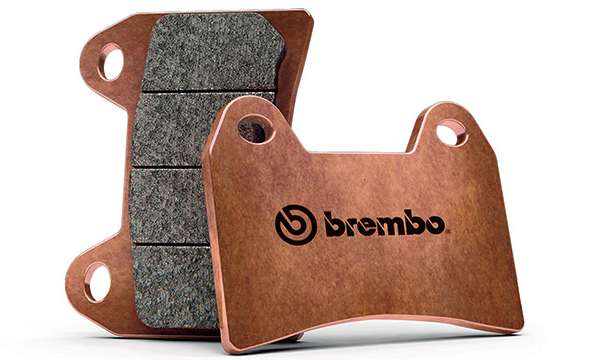
Choosing the right and best brake pads becomes easier when drivers can rely on guidance from a team that understands local conditions. Exedy NZ supplies Brembo lines that cover ceramic comfort and low metallic bite for a wide range of vehicles. Their team helps drivers choose which pad suits their driving habits, whether they want quieter brakes, cleaner wheels, or stronger performance.
Support continues after purchase. Advice on bedding, fitment details, and disc checks ensures the pads settle well. With access to consistent stock and knowledgeable staff, both installers and drivers receive help that matches the reality of New Zealand roads.
A Wide Range Means Fewer Compromises
A shared frustration among Kiwi drivers is being told the right pad is out of stock. Exedy NZ mitigates that problem by carrying a wide range of pads and brake rotors for nearly every make and model, from premium European cars to older Japanese imports. Brembo tends to sit at the comfort and performance ends, while ICER offers substantial value. Together, that spread lets drivers choose the best brake pads that suit both the car and the budget, rather than settling for what happens to be on the shelf.
What to Expect at a Professional Brake Check
A proper inspection involves more than a quick look at pad thickness. A good shop checks why wear happened, then matches the next set to the driver’s routine.
- Rotor condition, including thickness, scoring, and heat spots.
- Callipers for slider movement, piston health, and leaks.
- Brake fluid and lines for age, moisture, and cracking.
- Driving patterns, loads, and typical routes.
This short conversation often saves money later, because it prevents a mismatch that leads to early wear or poor feel.
Choosing With Exedy NZ: Matching Pads to Real Life
Buying online is easy. Choosing the right pads for a real routine is harder. Exedy NZ helps with part-finding tools, broad stock, and local advice. Its retailers understand that a driver in central Wellington faces different braking stress from someone in rural Southland, and that the same small hatchback can need a different compound depending on whether it lives in traffic or on back roads.
For anyone still asking “how to choose the right brake pads for my car NZ”, the best step is to pick the main priority, confirm rotor health, and then match that to a trusted line. With Brembo and ICER options in one place, the best brake pads stop being a generic label and become a clear solution.
The Right and Best Brake Pads Support Confidence on Every Drive
Every driver wants the same underlying thing: trust, and that trust starts with the best brake pads that suit the car and the driver. Trust that the vehicle will stop quietly outside a preschool gate, trust that wheels will not be a mess after a week of commuting, and trust that a loaded vehicle will stay steady on a descent. The break pads are the ones that turn those hopes into routine experiences.
When drivers understand compound types, noise hardware, bedding, and route matching, guesswork fades. With Exedy NZ backing a wide catalogue across nearly every platform, it is easier to choose the best brake pads that fit both the vehicle and the driver behind the wheel.