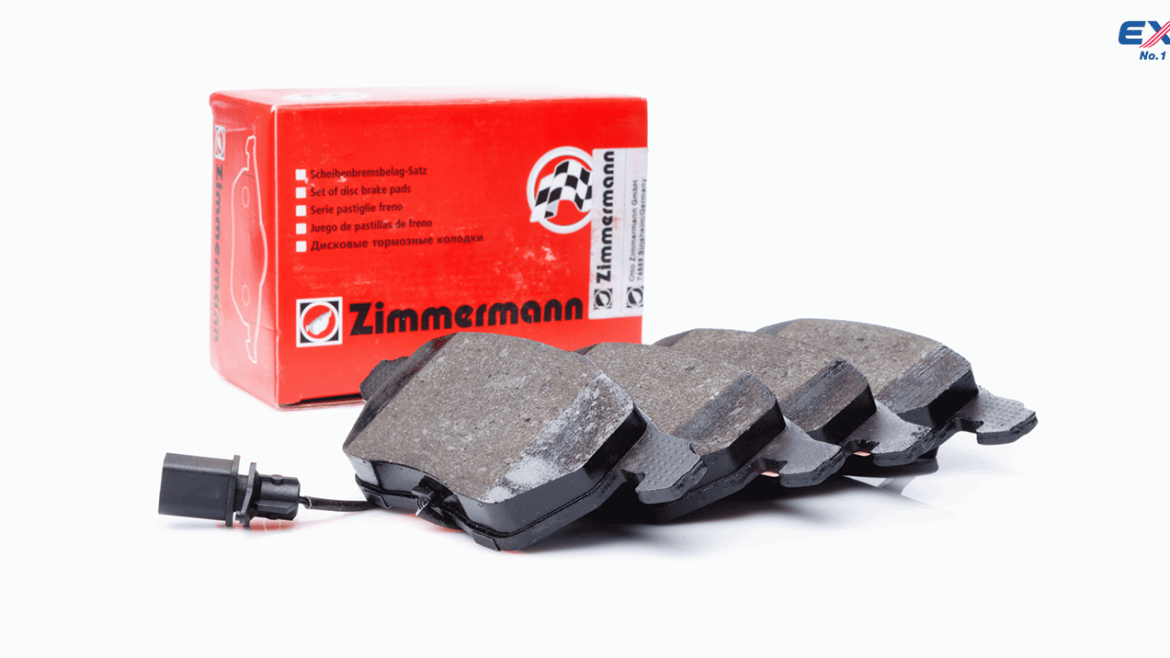
That first squeal from your brakes might seem like a minor issue, a quick fix for the weekend. But it’s often your car’s first warning sign. Brake pads are absolutely critical they determine how quickly you stop, how your vehicle handles under braking, and ultimately, your safety on the road. This is one part you can’t afford to ignore.
It’s tempting to try replacing brake pads yourself to save a bit of money – it looks straightforward enough, right? Take off the wheel, swap the pads, tighten things up. But here in New Zealand, like anywhere, DIY brake work is where a tiny mistake can have serious safety consequences. Getting it slightly wrong can lead to issues like brake fade (where your brakes stop working effectively when hot), dangerous vibrations, or uneven stopping.
Let’s explore what can go wrong when brake maintenance isn’t done correctly, and why trusting a professional ensures your car stops safely, smoothly, and reliably every single time.
1. Misdiagnosing the Problem
When your brakes start making noise, it’s easy to assume your pads are worn. But not every squeal, vibration, or grinding sound means that’s the case. Rust build-up, loose hardware, or even trapped moisture can cause similar symptoms. Many drivers rush to replace their brake pads, only to discover later that the problem hasn’t gone away.
Without a complete brake inspection, underlying faults often go unnoticed. Issues such as seized callipers, uneven rotors, or degraded brake fluid can all affect performance. Over time, these faults increase stopping distance and reduce safety. That’s why trained technicians check the entire system, pads, rotors, callipers, and fluid, to ensure every part works together as intended.
2. Buying the Wrong Pads
Even though most brake pads look alike, each one is designed for specific driving conditions. A compact city car, for example, requires a very different compound than a large 4WD used for towing. Choosing the wrong type can result in loud squeaks, early wear, and unpredictable braking.
For instance, semi-metallic pads perform better under high temperatures and heavy loads, making them ideal for vehicles that tow or travel in hilly regions. Ceramic pads, by contrast, are quieter and cleaner, perfect for urban driving. Selecting the correct type ensures safety and a longer lifespan, while a mismatch often leads to extra costs and premature replacement.
3. Skipping Rotor and Hub Preparation
Once the correct brake pads are chosen, the next step is proper preparation. Yet, many DIY enthusiasts install new pads directly onto worn or dirty rotors. This shortcut prevents the pads from bedding in evenly, creating vibration and uneven wear.
Professional technicians always begin with a clean, smooth surface. They use precision tools to measure rotor thickness, remove rust, and clean the hub face before fitting new parts. This careful foundation not only improves braking performance but also prevents future noise and steering shake.
4. Ignoring Calliper and Hardware Service
Calliper and mounting hardware components function under extreme pressure and heat. Neglecting these parts can lead to corrosion or seizing, which results in uneven braking force across the vehicle’s axle.
A comprehensive brake service includes the cleaning, inspection, and lubrication of these critical parts. This meticulous attention to detail ensures the new pads achieve full, uniform contact with the rotors. Ultimately, this procedure guarantees system balance, operational consistency, and reliable stopping power.
5. Mixing Pad Compounds or Brands
After dealing with the mechanical components, material consistency becomes the next concern. Mixing different pad brands or compounds on the same axle is one of the most common and risky DIY errors. The imbalance in friction between the left and right wheels disrupts braking stability, especially in emergencies.
To maintain balance and predictable control, both pads on an axle should always match in material, brand, and level of wear. Professionals understand this and always replace pads in pairs. It’s a small step that makes a big difference to safety.
6. Incorrect Piston Retraction
As brake systems become more advanced, so does the equipment required to service them. Many modern callipers use complex piston mechanisms that need to retract precisely to make space for new pads. Forcing them back with a clamp or screwdriver can easily damage the rubber seals or the electronic parking brake (EPB).
To avoid this, technicians use specific wind-back tools or activate EPB service modes on vehicles fitted with electronic systems. This prevents fluid leaks, maintains seal integrity, and protects expensive electronic components from failure.
7. Contaminating Friction Surfaces
Even after everything is installed correctly, a simple mistake like touching the pad’s friction surface can undo all that care. Grease, oil, or even fingerprints can reduce braking efficiency. DIY installers often overlook this detail, leading to poor braking or unexpected squealing.
In contrast, professionals handle every component using clean gloves and approved cleaning products. They make sure the pads and rotors remain free of any contaminants. This disciplined process ensures every stop feels solid, silent, and secure.
8. Improper Torque and Wheel Installation
After replacing brake pads, refitting the wheels is another area where precision matters. Many people tighten wheel bolts “by feel,” but uneven or excessive torque can warp rotors and create steering vibrations. Incorrect tightening also affects wheel alignment and fuel efficiency over time.
Workshops avoid this by following manufacturer torque specifications and tightening bolts in a specific sequence. Using a torque wrench ensures even pressure across the wheel, preserving both rotor health and driving comfort.
9. Skipping the Bedding-In Process
This procedure involves a controlled sequence of stops that facilitates the thermal adaptation and material transfer between the brake pads and rotors. Neglecting this process can lead to pad overheating or glazing, which reduces the frictional coefficient and produces brake noise.
A qualified technician adheres to a precise bedding-in protocol to guarantee uniform contact and optimal performance. Proper execution of this phase ensures smooth, consistent, and responsive braking. Conversely, a failure to perform this step results in accelerated pad wear and compromised performance, mimicking the symptoms of worn components.
10. Neglecting Brake Fluid
Brake pads’ fluid absorbs ambient moisture over time, which compromises its boiling point and hydraulic efficiency. This degradation often manifests as a spongy pedal feel, especially under heavy braking, even after pad replacement.
Proper system function requires routine fluid flushing. This process removes moisture and air, preserving pedal firmness and system responsiveness. Professional workshops employ specialised equipment to test fluid condition and facilitate replacement before safety is compromised, thus ensuring consistent pedal control and optimal braking performance.
11. Skipping Safety Steps
Finally, even the best mechanical work means little if the final safety checks are skipped. DIY brake pads often overlook crucial steps like securing the vehicle before lifting or pumping the pedal to restore pressure after installation. These missed actions can cause complete brake failure when you least expect it.
Experienced technicians never skip their final checklist. They torque every bolt, inspect each seal, and test the system both in the workshop and on the road. This professional discipline ensures that once the vehicle leaves the shop, it delivers safe, balanced braking every time.
The Fix: Smarter Solutions, Not Riskier Ones
Do-it-yourself brake pads replacement presents a significant risk of system malfunction. Imprecise installation often leads to uneven pad wear, excessive vibration, and calliper damage, necessitating additional service. These failures result in premature rotor replacement or critical safety hazards.
The most effective solution is a combination of professional knowledge and validated parts. A qualified technician ensures system equilibrium and proper brake bedding, thus guaranteeing operational reliability and driver safety across all vehicle platforms.
Why Exedy NZ Is the Smarter Choice for Brake Pad Replacement
You know that annoying squealing sound when you hit the brakes? It might sound like no big deal at first, maybe something you can sort out on the weekend. But here’s the thing: that noise is your car trying to tell you something important. Your brake pads are seriously crucial – they control how fast you stop and keep you safe on the road. This is one part of your car you really can’t mess around with.
Many people consider swapping brake pads themselves to save money. It looks easy enough in videos: pop the wheel off, change the pads, bolt it back together. But honestly, brake jobs are tricky. Even a small mistake can cause huge problems later. We’re talking weird vibrations when you brake, or worse, “brake fade,” where your brakes basically stop working correctly when they get hot. Not cool.
Let’s break down what can go wrong if brakes aren’t fixed the right way, and why getting a pro to do it means your car will stop safely and smoothly every single time.
Beyond the Pads: Why Complete Brake Pads Maintenance Matters
A braking system is only as strong as its weakest link. While brake pads play the leading role, your vehicle’s overall health depends on regular attention to other essentials, including proper car oil and general servicing. Drivers who use the correct oil for my car notice smoother acceleration, better heat management, and fewer mechanical issues that affect braking response.
It’s all connected: good oil protects your engine, proper fluid protects your brakes, and quality pads protect your life. Neglecting any one part creates a chain reaction of wear and stress that impacts safety.
Professional Tips for a Better Brake Experience
Maintaining reliable braking performance starts with a few simple yet crucial habits. Always choose quality over cost, as cheaper components tend to wear faster and can damage the rotors, leading to higher expenses over time. It’s equally important to look beyond the brake pads themselves. The entire system, including the callipers, rotors, and brake fluid, must work in harmony to deliver consistent stopping power. Listening to your car can also make a significant difference. Early warning signs such as grinding, squealing, or shaking should never be ignored, as they often signal that your braking system needs attention.
Consistency is key, so never mix pad compounds or brands, as doing so disrupts brake balance and reduces safety. Replacing pads in pairs ensures even wear and predictable performance. Finally, make regular inspections part of your maintenance routine. Routine checks by a qualified technician help identify small issues before they develop into costly or dangerous problems. With these practices, you can maintain smooth, reliable braking that supports both your safety and your vehicle’s long-term health.
The Long-Term Risk of Cutting Corners
DIY brake pads often save money upfront, but can lead to higher long-term costs. Poor installation increases wear on other parts like rotors and wheel bearings. Replacing or machining these components can cost hundreds more than professional pad fitting.
It’s also a matter of safety. A single mistake in piston retraction or torque application could lead to brake fluid leaks or failure under pressure. Professional workshops, like Exedy NZ, have the correct diagnostic tools to identify these risks before they cause real harm.
A Smarter Fix for Lasting Safety
Compromising on brake pads quality or installation poses a significant safety risk. The immediate cost savings of using inferior parts or non-professional service are negligible compared to the potential for catastrophic failure.
Exedy NZ provides a comprehensive solution that integrates high-quality products, professional workmanship, and technical expertise. Their service guarantees precision fitting, system equilibrium, and sustained performance, ensuring every stop maintains consistent safety standards.
Addressing brake system issues is a critical action. Professional diagnosis and repair are essential to maintaining vehicle safety and reliability on all New Zealand roads.